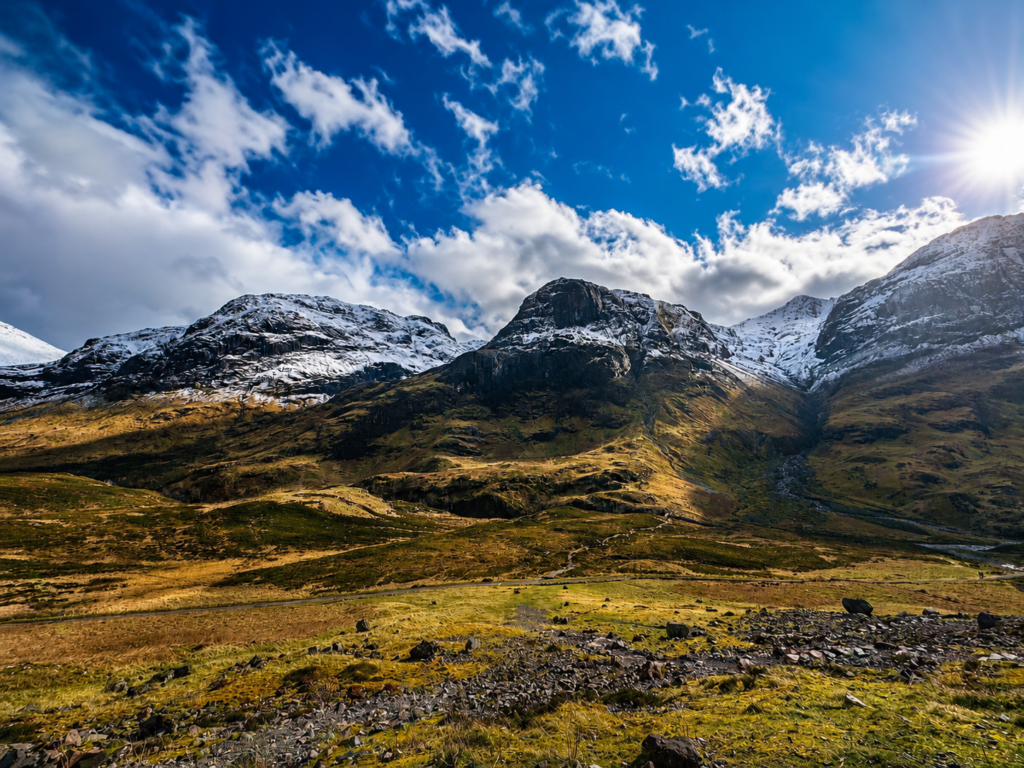

Scotland had been on my travel list for years, and I thought I already knew what to expect: dramatic landscapes, grey skies, ancient streets and an atmosphere that felt slightly mysterious. What I did not expect was to be surprised before even landing.
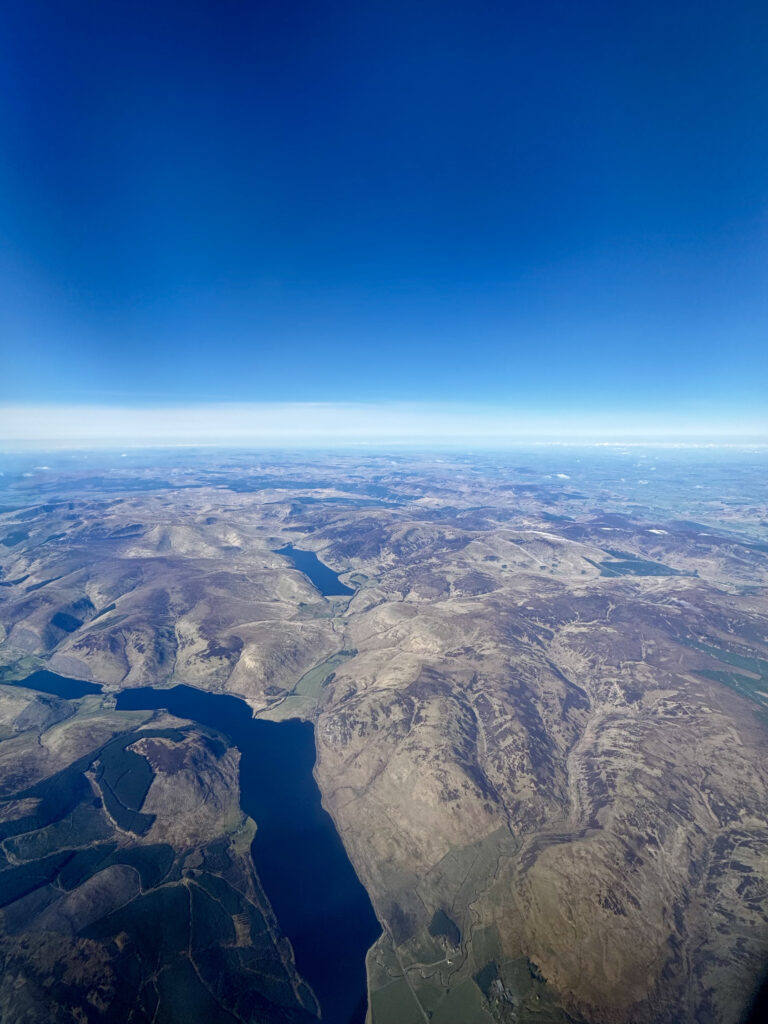
As our plane began its descent towards Edinburgh, I looked out of the window and was completely taken aback by the view below. Instead of a dense city skyline, I saw an endless patchwork of green fields, shimmering lochs and winding stretches of coastline that seemed to blend seamlessly into the landscape. The city itself appeared almost hidden within nature rather than dominating it.
It was difficult to believe that a capital city could feel so surrounded by greenery. From above, Scotland looked peaceful, untouched and incredibly spacious. No photograph or travel guide had prepared me for that first impression. It was the kind of moment that made me realise the journey had already begun, even before setting foot outside the airport.
The journey from the airport to our hotel was just as memorable. We travelled by bus, and although it was only a simple transfer into the city, it became one of my first opportunities to observe everyday life in Edinburgh.
Instead of immediately seeing only monuments and tourist attractions, I watched residential streets, people going about their day and small details that made the city feel real. One of the first things I noticed was how many people were walking with a dog. Almost every few minutes, another person passed by with an animal beside them, and it immediately gave me the impression that Scotland was an incredibly dog-friendly place.
A city built on atmosphere
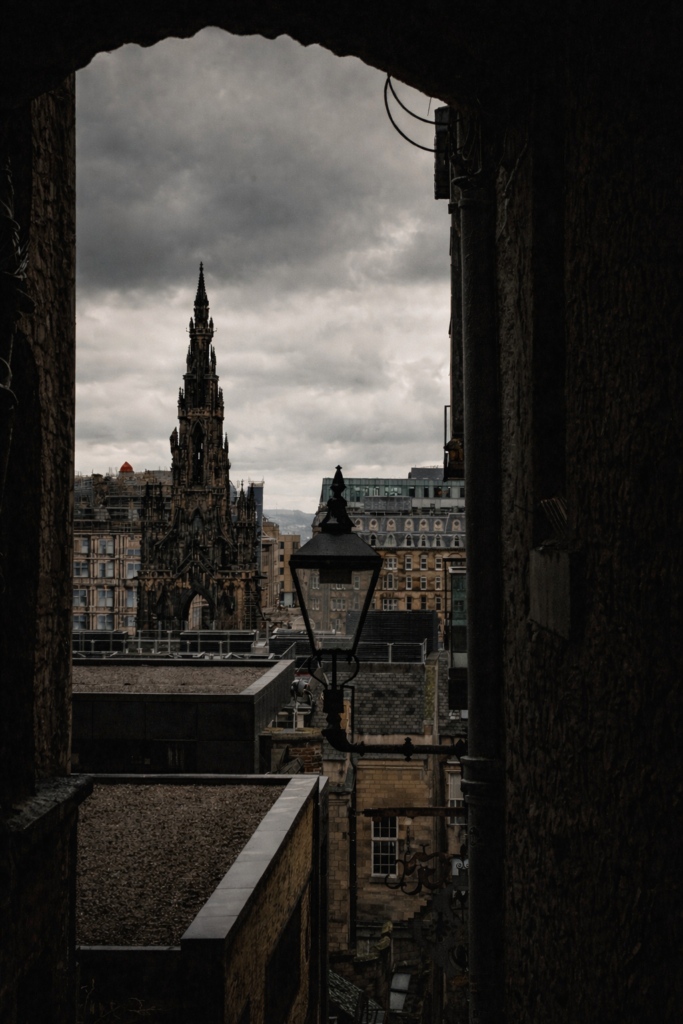
Edinburgh was the kind of city that made me want to keep walking without checking the map. Every street seemed to lead to another hidden corner, an unexpected view or a building that looked as though it belonged in another century.
What struck me most was how human-sized the city felt. Tall modern buildings are almost absent from the historic centre, and the architecture creates the impression of stepping into a picturesque storybook. Even though Edinburgh is a capital city, it never felt overwhelming. The streets were lively without being chaotic, and walking seemed to be the most natural way to experience it.
We stayed in Edinburgh’s New Town, which was an ideal base for exploring the city. From there, we walked almost everywhere, moving easily between the elegant Georgian streets and the darker, more medieval atmosphere of the Old Town.
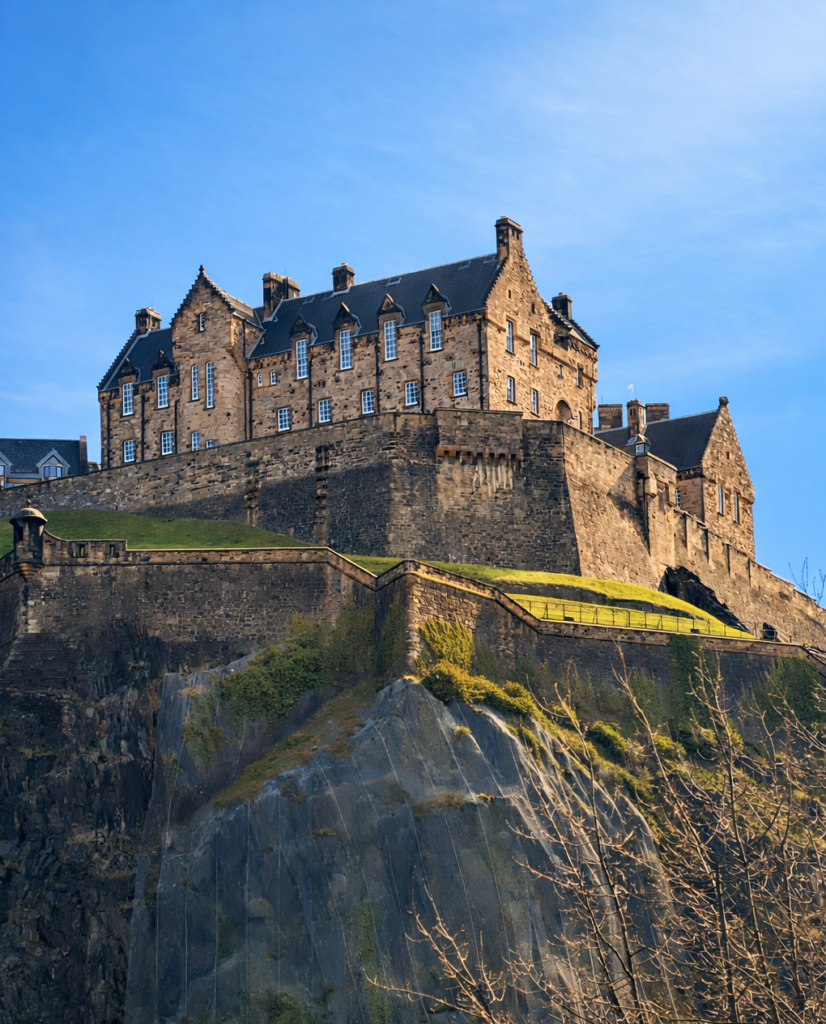
We spent our days walking along the Royal Mile, visiting the castle, wandering through old cemeteries and discovering the city’s best-known landmarks almost by accident. Edinburgh rewards curiosity. Sometimes the most memorable moment was not the attraction itself, but the narrow street leading towards it, the sound of footsteps on the pavement or a view appearing unexpectedly between two buildings.
Edinburgh in every kind of weather
Before travelling, I had imagined Edinburgh as a permanently grey and misty city, almost made for autumn and Halloween. Visiting in spring completely changed that image.
Locals often say that Edinburgh can experience four seasons in a single day, and after our trip, I understood exactly what they meant. The weather changed constantly, sometimes within minutes, but instead of ruining the experience, it made every part of the city look different.
On clear mornings, the stone buildings became almost golden. During rainy moments, the streets felt darker and more dramatic. At sunset, the city could suddenly turn pink, orange and violet, creating a completely different atmosphere from the cold and foggy Scotland I had imagined.
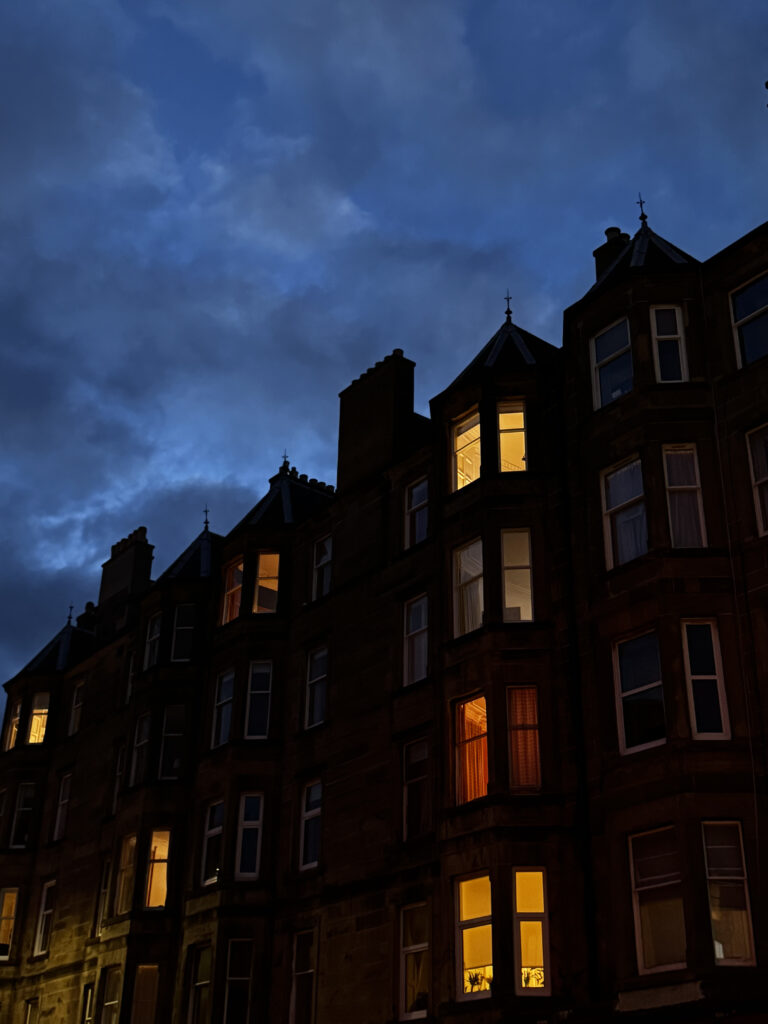
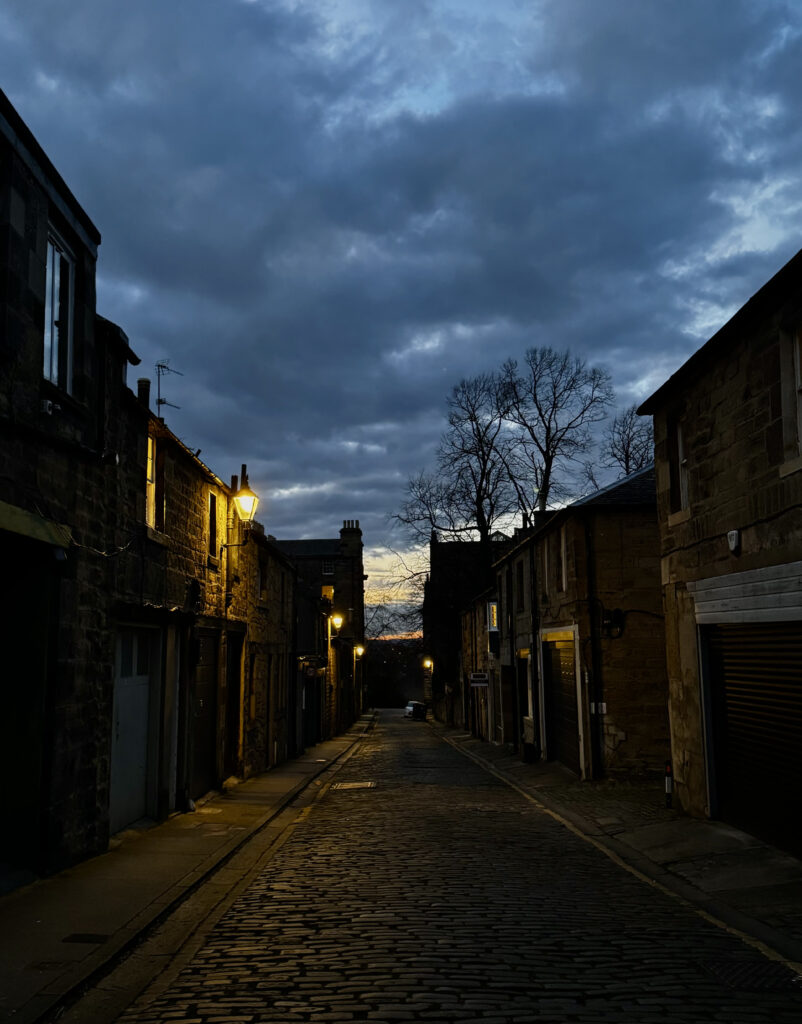
The city became especially magical in the evening. The lamps and illuminated clocks cast a warm yellow light over the streets, while the sound of bagpipes could often be heard nearby or somewhere in the distance. Musicians wearing traditional clothing were a familiar presence in the centre, and their melodies seemed to follow us as we walked.
Sunrise and sunset are both worth experiencing when the weather allows it. Scotland may have a reputation for grey skies, but some of the most colourful skies I have ever seen appeared during this trip.
Books, museums and Scottish imagination
Edinburgh is also a city for people who love stories. The National Museum of Scotland was a pleasant way to spend around an hour and a half, especially for learning more about the country through objects, paintings and historical details.
If you enjoy books as much as I do, make sure to step inside Armchair Books. It is a small second-hand bookshop with shelves stacked from floor to ceiling, narrow aisles and a wonderfully old-fashioned atmosphere. It feels less like a shop and more like discovering a hidden corner of Edinburgh, where every shelf invites you to slow down and browse a little longer.
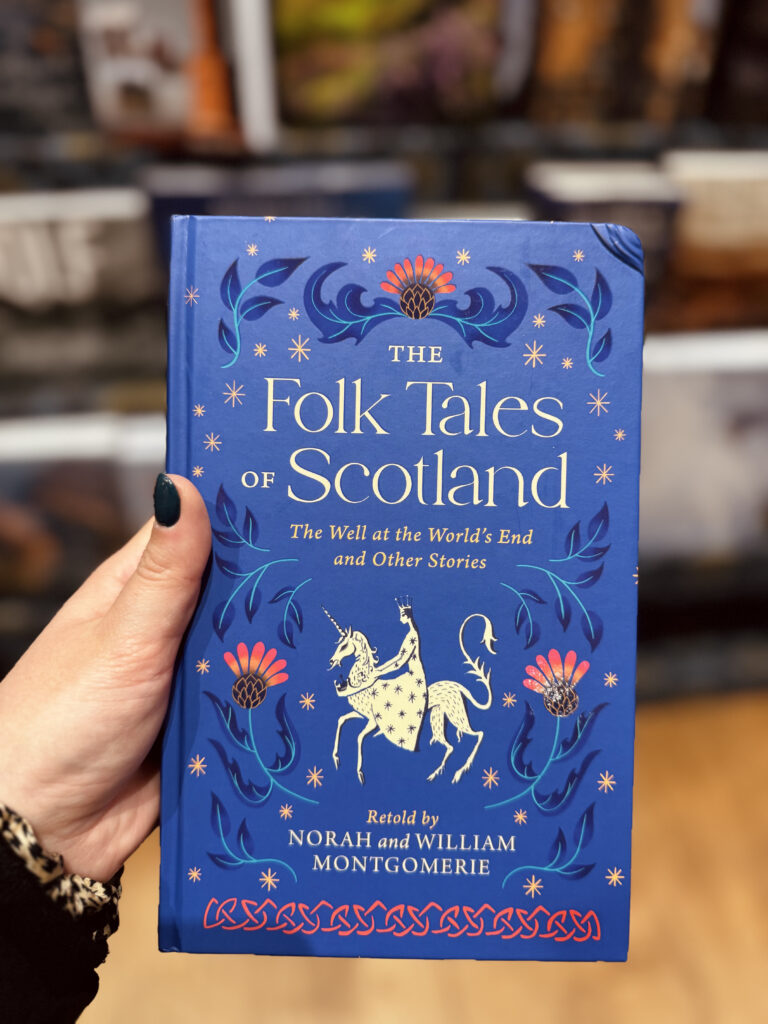
For a completely different experience, the larger bookshops around Princes Street are also worth visiting. Their shelves are filled with books about Scottish history, Celtic mythology, folklore, fairies and local legends. Even if you are not planning to buy anything, they are wonderful places to wander through and soak up another side of Scottish culture.
Where we ate in Edinburgh
Food became another important part of the trip.
For breakfast, Urban Angel was one of my favourite discoveries. The staff were extremely kind, the atmosphere was relaxed and the portions felt generous. It was a lovely option for a local-style breakfast or brunch without spending an unreasonable amount. Urban Angel is located on Hanover Street and serves breakfast, brunch and lunch.
For a more traditional pub experience, The Scran & Scallie is worth booking in advance. Located in Stockbridge, it serves Scottish pub classics with a more modern interpretation, while still feeling warm and authentic.
We also tried haggis, probably Scotland’s most famous traditional dish. Its flavour and texture are quite particular, so it may not appeal to everyone, but I still believe it is worth tasting at least once. Scottish whisky, on the other hand, was impossible to ignore. Its smell seemed to drift through the streets near the pubs, becoming part of the city’s atmosphere.
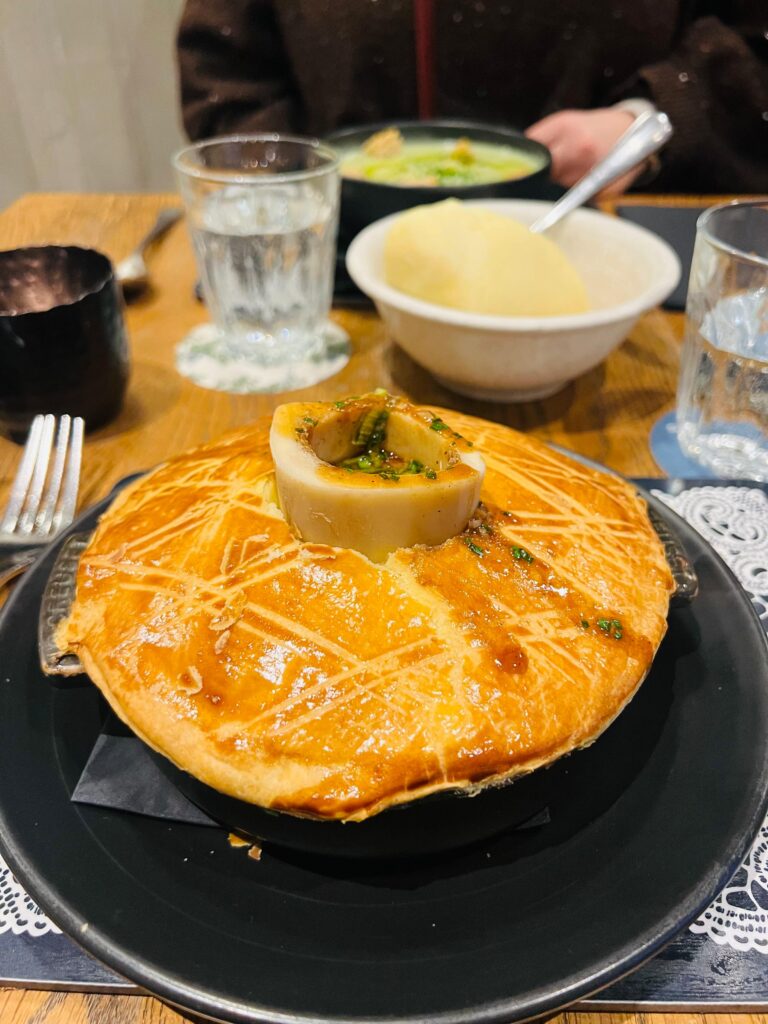
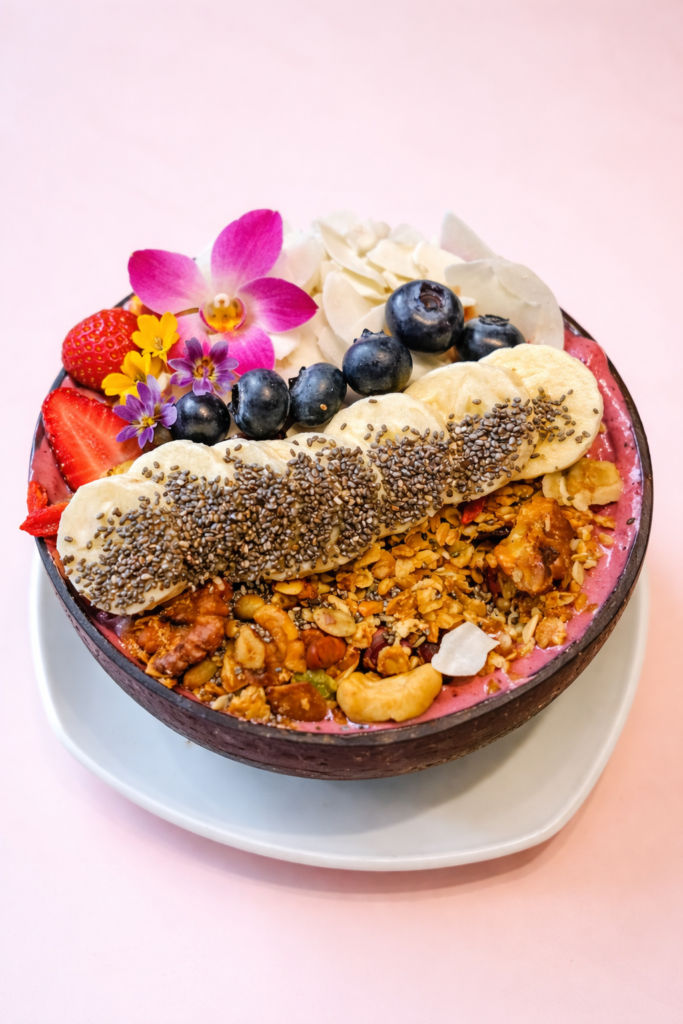
If you’re a sushi lover, don’t miss Kanpai Sushi. It was one of the best meals we had during the entire trip. Scottish salmon has an outstanding reputation, but tasting it as sashimi here took it to another level. The fish was incredibly fresh, buttery and full of flavour, making every bite memorable. It is certainly not the cheapest restaurant in Edinburgh, but for us, it was absolutely worth it. The quality of the ingredients, the elegant presentation and the quiet atmosphere turned dinner into a real experience rather than just another meal.
For something more casual, we also enjoyed lunch at Wagamama. Their Korean fried chicken quickly became one of my favourite comfort meals during the trip, especially after spending hours walking around the city.
Leith: a different side of Edinburgh
One afternoon, we headed to Leith, Edinburgh’s historic waterfront district. Compared with the city centre, it felt calmer and more local, with colourful buildings reflected in the Water of Leith and a slower pace that invited us to simply wander.
We had lunch at The Ship on The Shore, a seafood restaurant overlooking the waterfront that quickly became one of my favourite meals of the trip. Fresh Scottish seafood is the real highlight here, and after spending the morning exploring the area, sitting down with a view of the harbour felt like the perfect way to experience another side of Edinburgh. The restaurant specialises in sustainably sourced Scottish fish and shellfish, and it’s easy to understand why it’s considered one of Leith’s best-known seafood spots.
Leith showed me a completely different face of the city. Less medieval and dramatic than the Old Town, it felt creative, relaxed and deeply connected to the sea. If you have an extra afternoon in Edinburgh, I would absolutely recommend making the trip.
A day beside the sea in North Berwick
We dedicated another day to North Berwick, a coastal town that gave us the chance to slow down and enjoy Scotland from a completely different perspective.
I always love finding the sea during a trip when I know it is nearby. It makes me curious about the relationship local people have with the coast: whether they use it for fishing, walking, sport or simply as part of everyday life.
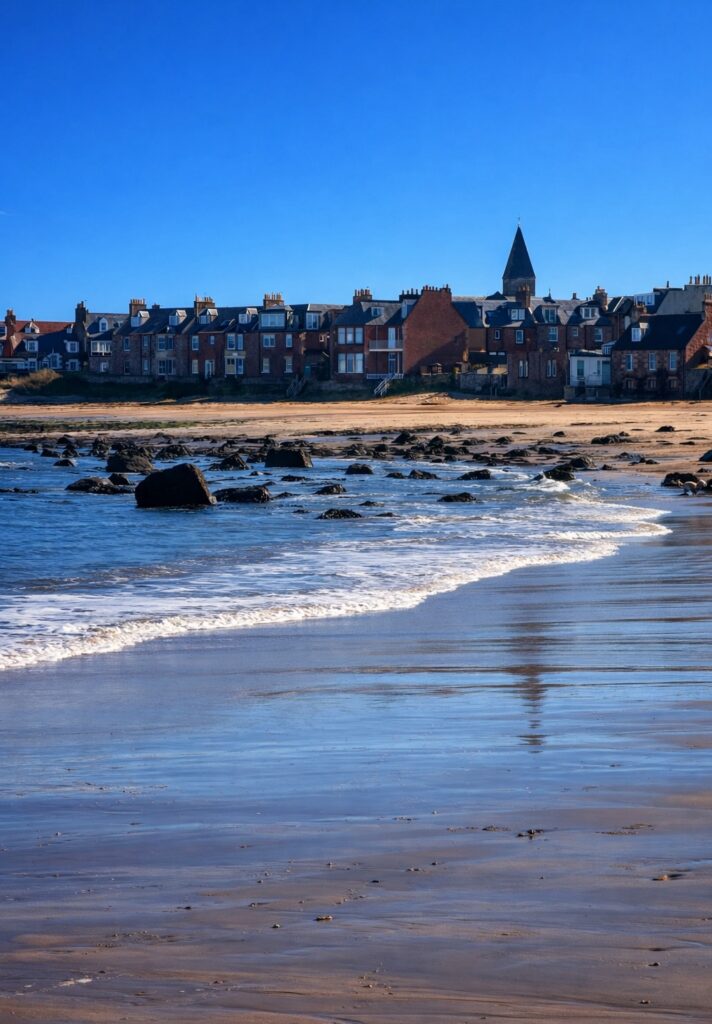
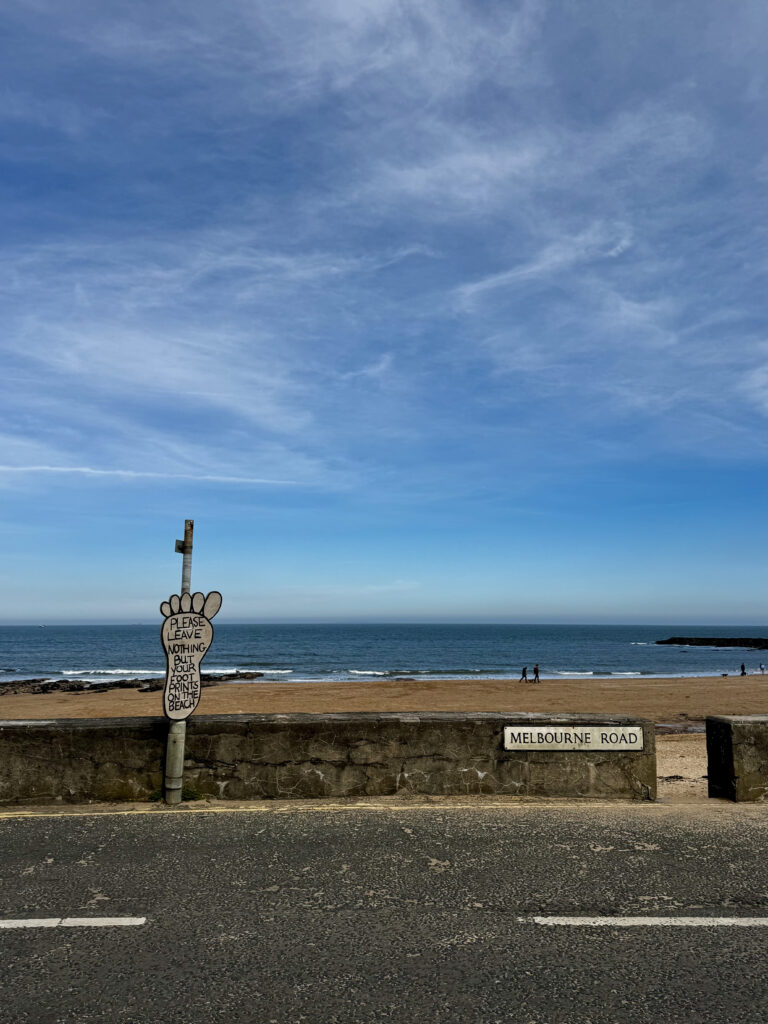
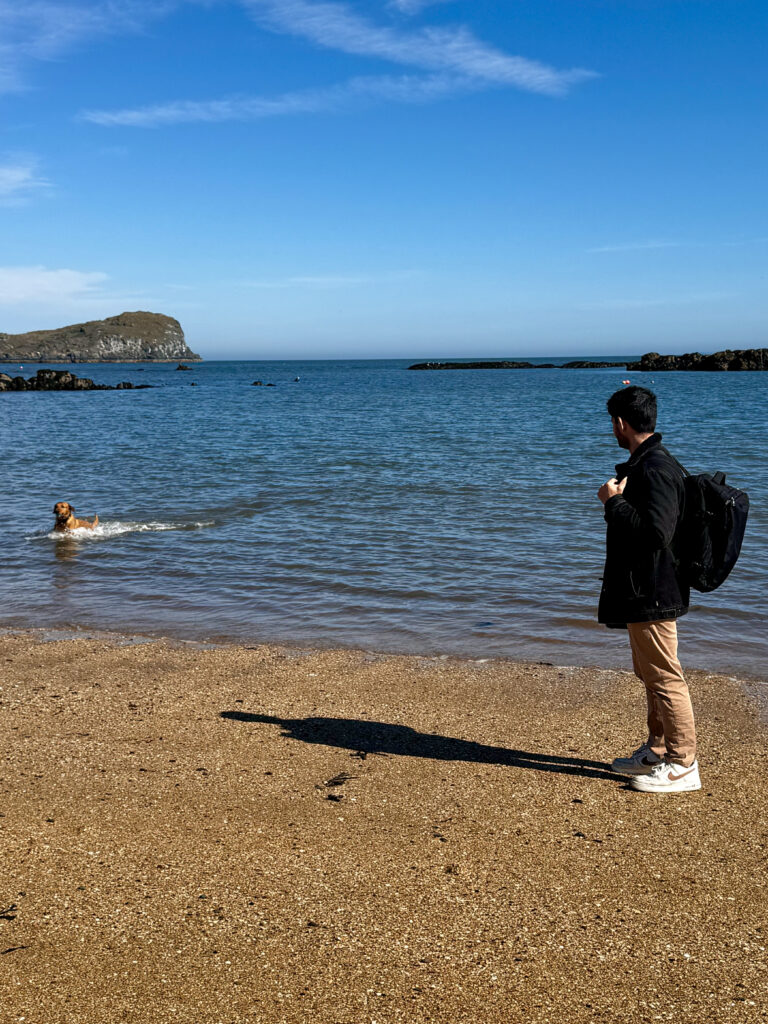
In North Berwick, the beach was full of dogs running towards the water and throwing themselves into the freezing waves without hesitation. The town looks out over the Firth of Forth, an inlet of the North Sea.
The coastal views, the open sky and the calm atmosphere made North Berwick one of the most relaxing parts of the trip. After the darker streets of Edinburgh, the brightness and openness of the coast felt like a complete change of scenery.
From Edinburgh to the Highlands
Edinburgh had already exceeded my expectations, but the Highlands showed me just how varied Scotland could be.
The day began before sunrise, with a pink sky appearing behind Arthur’s Seat. Only a few hours later, we were driving through light rain that almost felt summery. Then, as we continued towards Loch Ness, the landscape changed again and we found ourselves caught in a snowstorm.
Sun, rain and snow all appeared within approximately four hours. It was one of the most extraordinary parts of the trip, not because any single weather condition was unusual, but because Scotland seemed capable of changing its entire mood in such a short space of time.
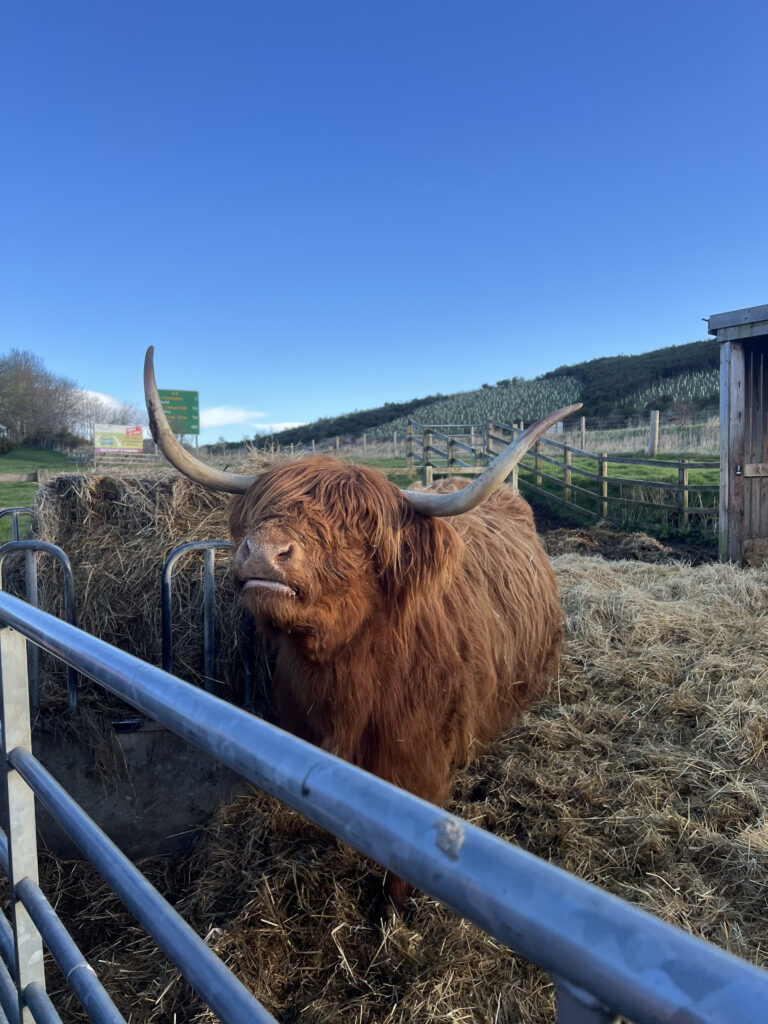
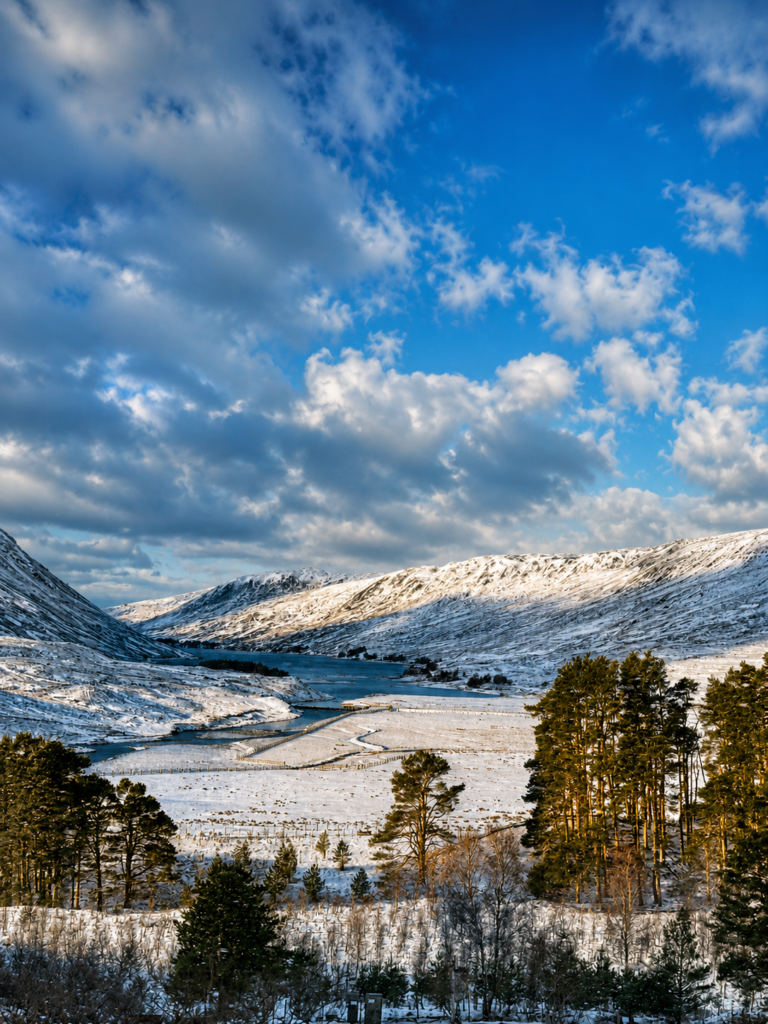
Scotland is so varied that it seems to offer a landscape for every emotion.
There are places that feel peaceful and open, others that appear dark and dramatic, and others that make you feel incredibly small. The landscapes do not simply look beautiful; they create a mood. At times, the journey through the Highlands felt joyful and bright, while only a short distance later it became silent, cold and almost cinematic.
The road itself was often as memorable as the destination. Mountains, lakes and wide empty spaces appeared continuously through the window, making it difficult to look away.
Loch Ness and the reality of Highland weather
Loch Ness was one of the most suggestive stops of the trip. The combination of the lake and the surrounding mountains created exactly the kind of landscape people imagine when they think about the Scottish Highlands.
However, this is also where the weather became most challenging. More than the rain, snow or hail, the strongest discomfort came from the wind. It seemed to blow without stopping, making the temperature feel even colder.
Loch Ness is undoubtedly worth seeing, but warm clothing and protection from the wind are essential, even during spring.
The people we met
Another element that made the trip memorable was the kindness of the people we encountered. This was especially noticeable in smaller towns and villages, where locals were friendly, humorous and genuinely willing to help.
Of course, my experience was that of a tourist. I cannot describe Scotland from the perspective of someone who lives there permanently, and a short trip can only reveal part of a country. Still, the warmth we encountered left a strong impression and made the journey feel even more welcoming.
So, is Scotland worth visiting?
For me, Scotland was absolutely worth visiting.
It offered much more than the grey skies and dramatic landscapes I had imagined. Edinburgh was elegant, mysterious and surprisingly colourful. The coast provided space to breathe, while the Highlands showed a wilder and more unpredictable side of the country.
Scotland felt capable of changing with every road, every hour and every shift in the weather. It was a place where city streets, ancient stories, sea views and snow-covered mountains could all belong to the same journey.
I left feeling that I had explored Edinburgh thoroughly, but had only seen the beginning of Scotland. I am already planning a future road trip through the north of the country, where I hope to discover more remote landscapes, villages and coastlines.
Scotland did not simply meet my expectations. It constantly changed them.


Great content! Keep up the good work!
Thank you!!