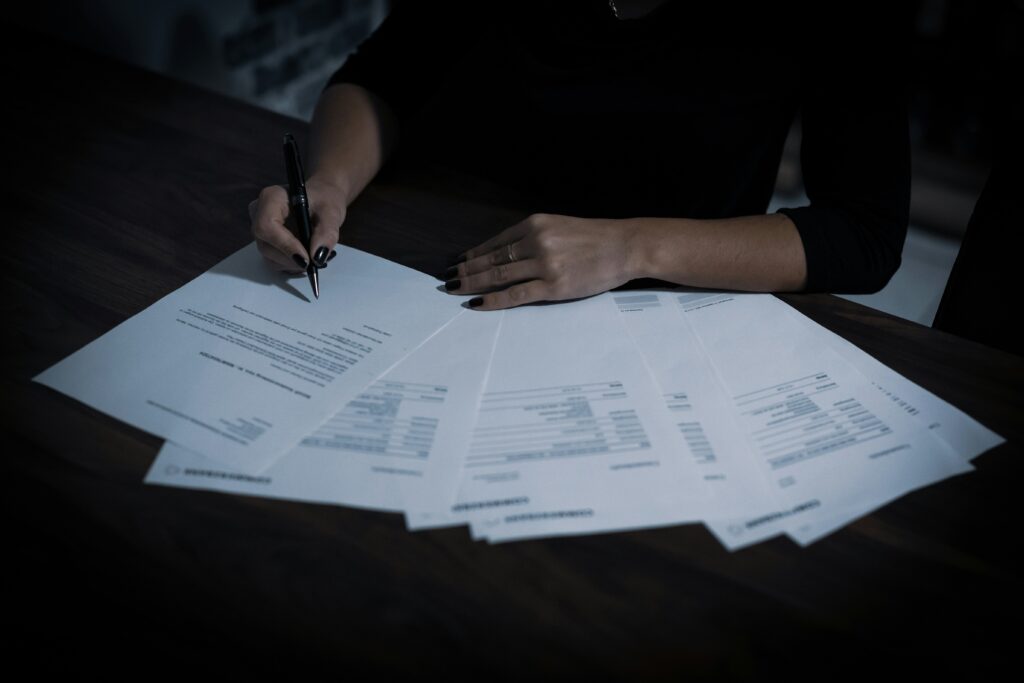

If you’re planning to move to France, there are a few things you’ll be glad to know before you arrive. These simple tips can save you time, money, and a lot of unnecessary stress.
1. You need an address before almost everything else
One of the first things you’ll need is a French address. Many administrative procedures require proof of residence, also known as a justificatif de domicile.
Whether you’re opening a bank account, registering for healthcare, applying for CAF, or signing up for certain services, you’ll almost certainly be asked to provide one.
If you’re staying with a friend or family member, don’t worry. They can write an Attestation d’hébergement confirming that you live with them. In most cases, you’ll also need a copy of their ID and a recent utility bill or rent receipt.
2. Open a French bank account
It is possible to receive your salary on an international account, but having a French bank account will make everyday life much easier.
Many employers, government services and companies prefer a French IBAN, and some administrative procedures are simply faster with a local account.
Traditional banks such as La Banque Postale, BNP Paribas, Crédit Agricole are often a good choice if you plan to settle in France long-term. While online banks or prepaid cards like Revolut can be convenient when you first arrive, they may not always be the best option if you’re planning to build a stable financial life in France.
If you’re under 30 or a student, it’s also worth comparing different banks before opening an account. Many French banks offer special discounts, reduced fees, welcome bonuses or exclusive packages for young customers. Taking a few extra minutes to compare these offers could save you money in the long run.
3. Register for the French healthcare system
Healthcare registration should be one of your priorities.
Without it, many procedures become more complicated. Once you receive your social security number and your Carte Vitale, accessing healthcare becomes much easier.
If you’d like to learn more about how the French healthcare system works, including the Carte Vitale and finding a doctor, you can read my complete guide here.
4. Bring updated documents from your home country
Before moving to France, make sure you bring all your important documents with you. Depending on your situation, you may be asked to provide a recent birth certificate, your university diploma, your academic transcript (relevé de notes), your driving licence (if you have one), or other official documents.
If any legal documents need to be submitted to a French administration, they may also require an official French translation completed by a sworn translator (traducteur assermenté). Preparing these documents before your move can save you a lot of time, money and unnecessary stress.
5. Consider Getting Your Diploma Recognised
If you hold a university degree or another qualification obtained abroad, it’s worth checking whether you should apply for an ENIC-NARIC certificate.
Although it isn’t mandatory for every profession, having your diploma officially recognised can make it easier for employers, universities and public institutions to understand the French equivalent of your qualification.
This is especially useful if you’re applying for apprenticeships (alternance), continuing your studies, or applying for jobs where a specific qualification is required.
The process can take several months, so it’s often better to apply as early as possible rather than waiting until an employer asks for it.
⚠️ If your documents are in French, Italian, English, German, Spanish, Portuguese, or Arabic, ENIC-NARIC France generally accepts them without requiring a sworn translation, which can be quite expensive. Documents in other languages usually need to be translated into French by a sworn translator before submission.
Moving abroad isn’t always easy, but being prepared makes everything much smoother.
💡 Maya’s Tip
France loves paperwork. Keep digital copies of your passport, ID card, birth certificate, employment contract, rental agreement, payslips, and any other important documents. Sooner or later, you’ll almost certainly need them again.